Woodland Art, with its vivid colours and deep connection to the Indigenous cultures of Northern Ontario, is more than just a style of painting—it’s a worldview. It depicts the interwoven relationships between people, animals and nature, each piece telling a story rooted in the land and the spirits that inhabit it. Among the most renowned Woodland artists is Roy Thomas, a beloved figure born near Longlac, Ontario, whose work still resonates deeply after his passing in 2004.
For Roy Thomas, September was a magical time of year—a time of change, where the earth’s colours thrive and inspire and the air is filled with the scent of transformation. This time of year held a special place in his heart, mirroring the vibrancy and depth of the Woodland Art he created.
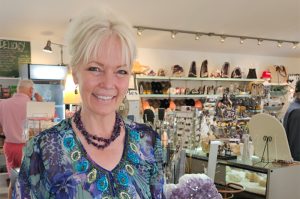
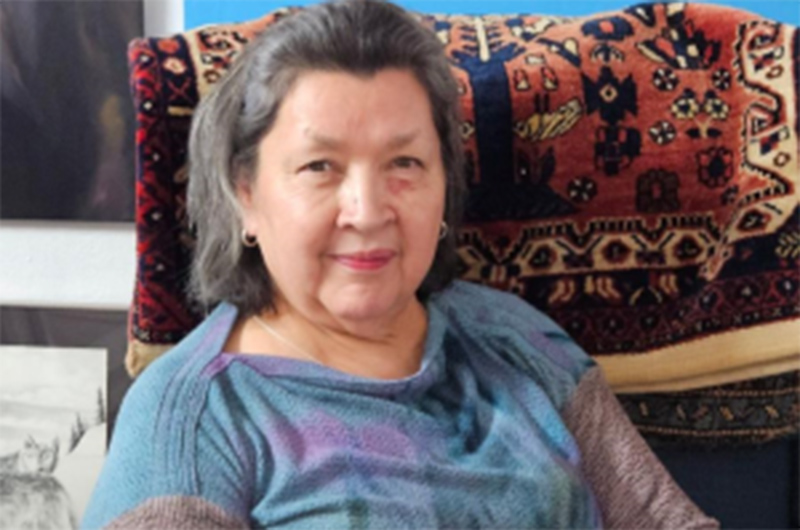
Today, Roy Thomas’ legacy lives on through the Ahnisnabae Art Gallery in Thunder Bay, operated by his widow, Louise Thomas and son, Randy Thomas. ‘Ahnisnabae’, a name chosen by Roy Thomas himself, means, ‘nice people’ and combined with ‘art,’ translates to ‘nice peoples’ art.’ Louise Thomas, who has been involved in the world of art for nearly 40 years, recalls her first encounter with her late husband, recognizing immediately that his art was different from the art she had known and experienced in the province of Alberta. She fondly remembers how professional he was and how his artwork stood out among other artists.
After Roy Thomas’ passing from a rare form of cancer, Louise Thomas felt a profound need to honour the man who had supported his family solely through his art—a rare and remarkable feat. As she grappled with the responsibilities of raising their twin boys and making ends meet, Louise Thomas was driven by a deep sense of duty to preserve and celebrate Roy Thomas’ artistic legacy.
Reflecting on those early days, Louise Thomas remembers the small space on James Street South in Westfort, Thunder Bay, where their business began. It was a place filled with love, creativity and the joy of working side by side. While Roy Thomas focused on his art, Louise Thomas, took care of the day-to-day responsibilities of the business, understanding that ‘true artists’ need the freedom to create without the burdens of commerce.
The original gallery was open to the public one day a week, giving visitors an opportunity to purchase artwork or simply spend time with Roy. He often invited friends and fellow artists to join him in the studio, where they would paint together and share in the creative process.
After Roy Thomas’s funeral, Louise Thomas vividly recalls that a wealthy art dealer from Toronto, interested in her late husband’s artwork, flew up to meet her. He took her family out for dinner and with a bluntness that struck her deeply, told her, “Louise, you’re going to have to get a job.” It was a moment of clarity for her—a reminder of the harsh realities of the art business, particularly for Indigenous people. Louise Thomas could tangibly feel that Indigenous people were not fairly benefiting from their own creativity and hard work.
Later, sitting in her husband’s quiet, still art studio, with little money and an uncertain future, Louise Thomas felt a powerful surge of inspiration. She knew what she had to do. “I’m going to turn this space into a gallery!” And so, on June 6, 2005, just months after Roy Thomas’ passing, the Ahnisnabae Art Gallery opened its doors, a testament to her self-determination and desire to honour her late husband’s legacy.
Louise Thomas assists Indigenous artists to feel proud of their talent. She meets and works with artists through all stages of their artistic development, experience and confidence within themselves. She often meets artists that have felt and known the pain and reality of creative rejection. Louise Thomas advises artists to recognize that money does not come first and to not give up, always do good work, recognize that your own learning will never cease and to always remain professional.
Louise Thomas’ son Randy Thomas, a respected Indigenous artist within his own right, now works alongside her at the Ahnisnabae Art Gallery and also completes custom framing onsite. Together they share the vision of honouring Roy Thomas’ legacy within the gallery and they intend to continue to bring people together in the spirit of acceptance and to continue to learn and grow within their business.
When asked which of Roy Thomas’ artworks was the most cherished by him, Louise Thomas shares that he felt the utmost respect and admiration for elders and elders were often depicted within his works, as elders are the knowledge keepers of wisdom. Louise Thomas cherishes her late husband’s works, including The Circle of Life, which represents the world as it continues to evolve around and around, as well as Creation Rock, a unique rock painting originating from Lake Superior.
While holding one of Roy Thomas’s paintbrushes, Louise Thomas reflects on the tools that he used—the paintbrushes that brought his artistic creativity to life. “We all have tools that help us get to where we are going. This is a tool. For a lot of people, it’s just a paintbrush but without this tool, Roy wouldn’t have been able to paint. When you look at the hair, this comes from an animal. The stem comes from a tree. So, when you look at them, these two once had life.” Roy would say, “Thank you to my relatives for making these tools that allow me to paint beautiful things.” There is a painting of this paintbrush called The Spirit of the Paintbrush. Roy Thomas’ paintbrush is more than just a tool; it is a connection to the earth, a gift from nature that allowed him to create beautiful things. “Whenever I am giving talks, he is with me. It’s the spirit of art and he is always with me.”
A visit to the Ahnisnabae Art Gallery, located at 18 Court Street South, is an opportunity to see the beauty in Indigenous people and what they are creating—it’s a chance to connect with the legacy of Roy Thomas, to experience the passion, vision and dedication that he and Louise Thomas shared and to be inspired by the enduring power of Indigenous art.